Best GPT-6 Prompts for Dog and Cat Owners in 2026
Copy practical GPT-6 prompts for pet records, veterinary questions, food-label comparison, and routine planning with clear safety boundaries.
BetterHealth Pet Health Library
Long-tail guides for pet parents who want useful context between routine visits without replacing veterinary care.

Copy practical GPT-6 prompts for pet records, veterinary questions, food-label comparison, and routine planning with clear safety boundaries.

GPT-6 can help organize observations and prepare questions, but a chat or image response is not a veterinary diagnosis or emergency service.

Treat a pet photo as one dated observation: keep the original, ask for visible description, and use professional care for diagnosis or urgent concerns.

Use GPT-6 for bounded pet-care tasks such as organizing observations, comparing information, preparing questions, and creating handoff notes.
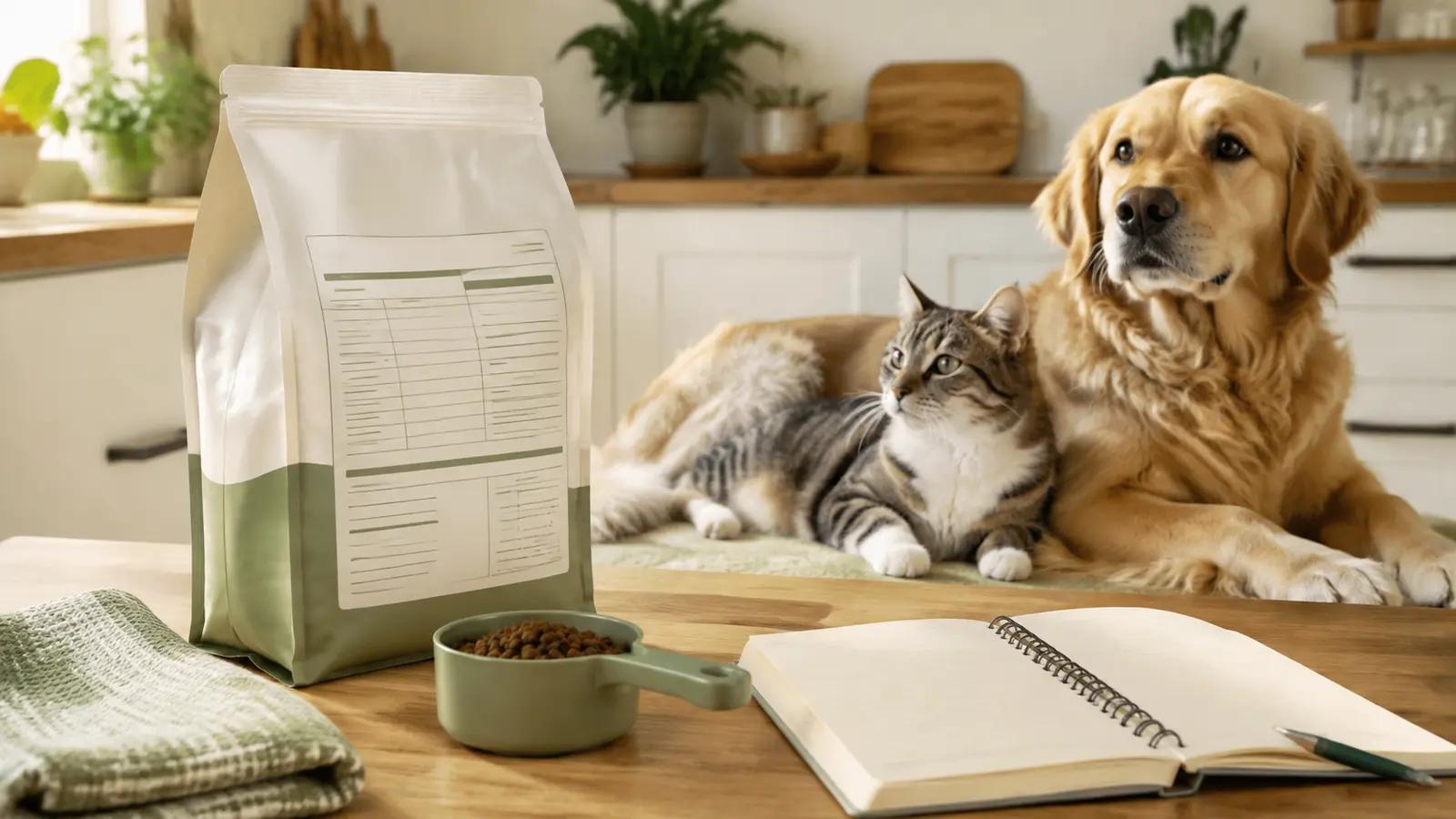
Use GPT-6 to read label fields, normalize food information, and prepare nutrition questions while keeping diet decisions grounded in context and professional guidance.

Write the raw observations, ask GPT-6 to structure them, check every line, and take the original record to the veterinary conversation.

The useful AI pet tool is the one that creates a reliable record for a specific care question. Compare cameras, trackers, feeders, litter systems, and communication apps by job and limitation.

Breed information can help you check fit, but it cannot choose a device for every cat. Start with the individual routine, then test the setup safely.
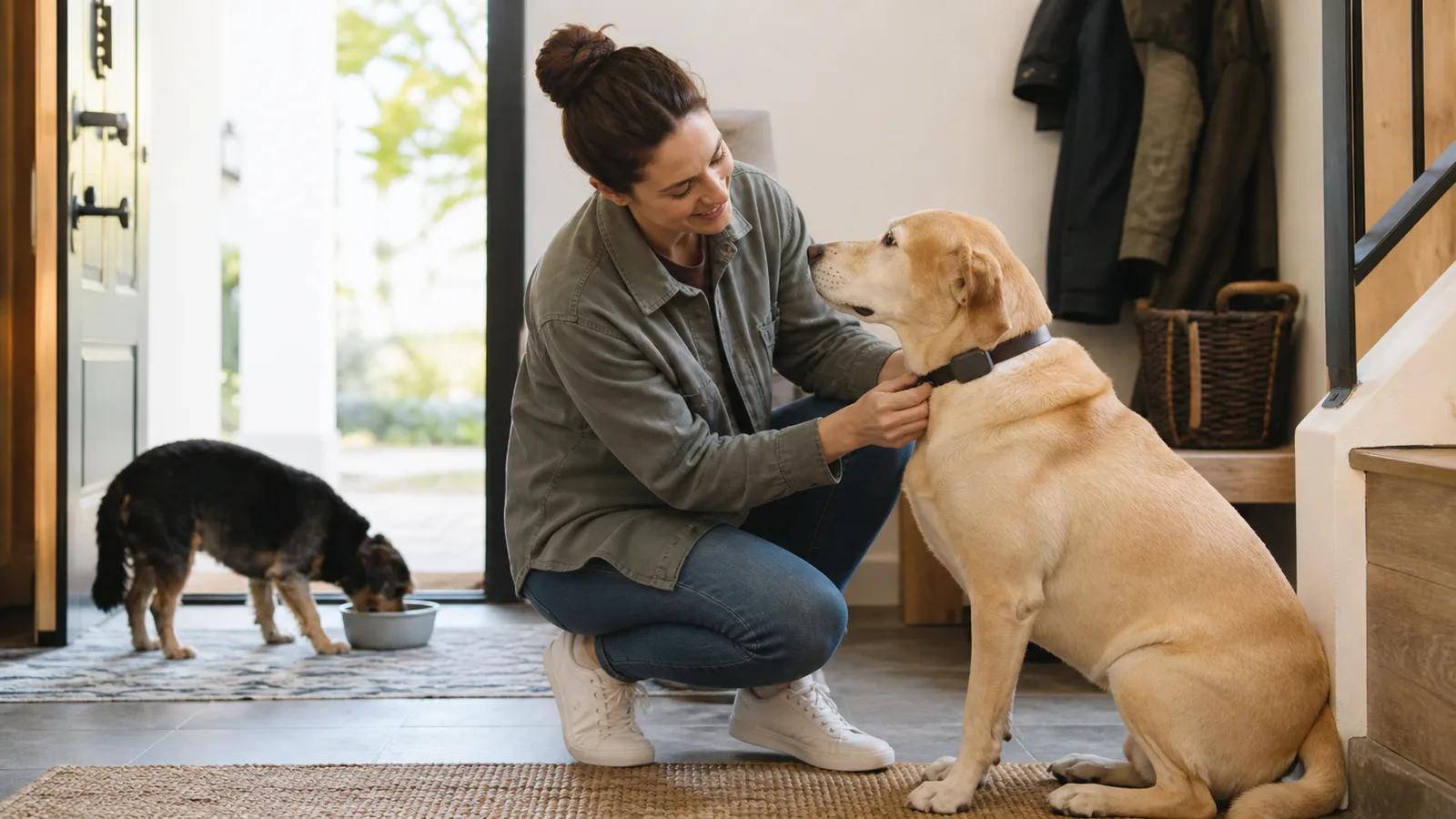
A breed can suggest what to check for fit, but it cannot set a universal activity target or choose a tool. Match the device to the dog’s real routine.

The best cat technology depends on the record your household is missing. Match feeders, litter systems, cameras, trackers, and sound tools to a specific task.

Choose dog technology by the decision you need to make. GPS, cameras, activity tracking, and structured logs each create a different kind of evidence.
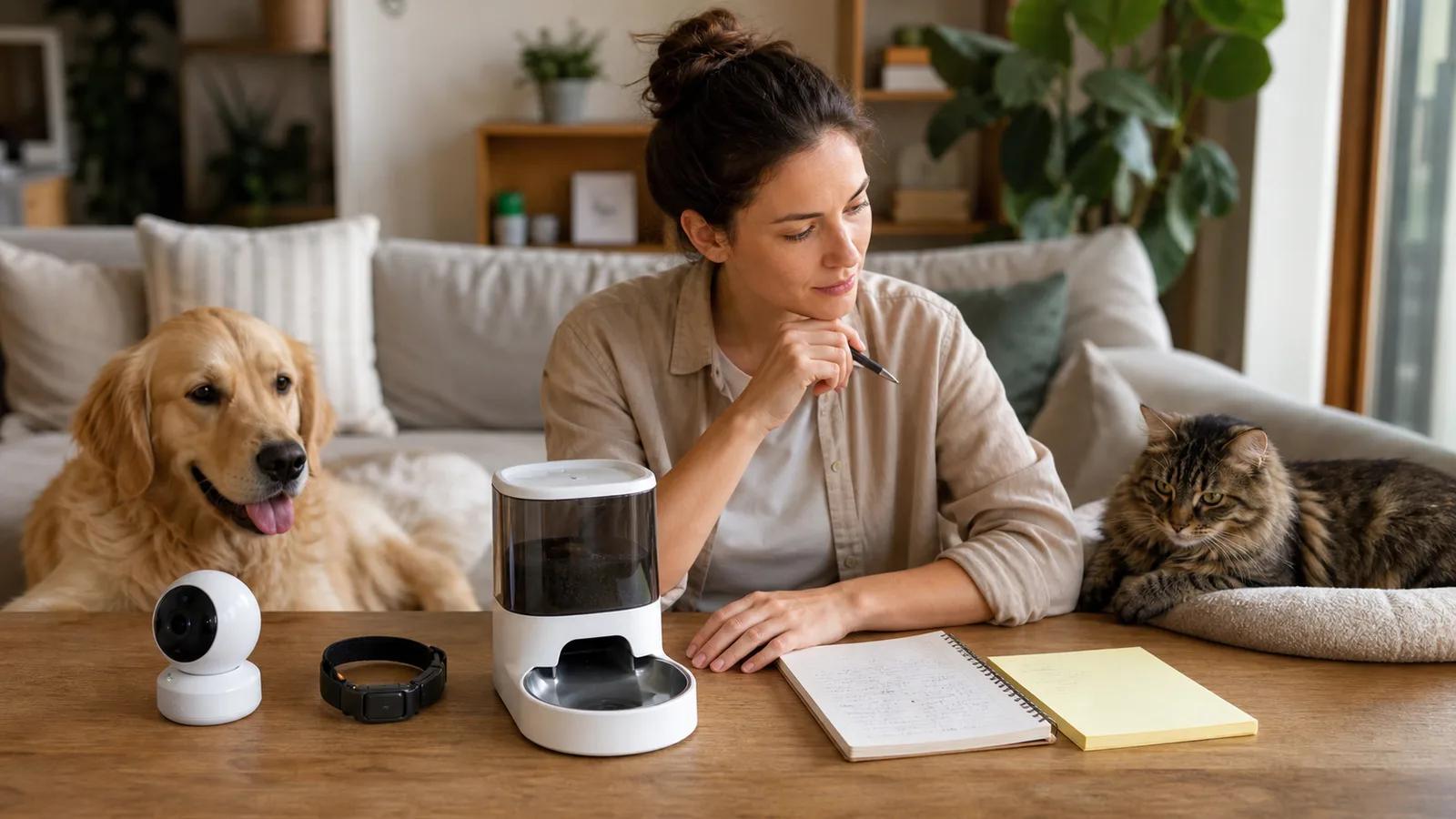
New pet tools are worth considering when they create a reliable record for a real care problem. Use this checklist to separate practical help from interesting experiments.
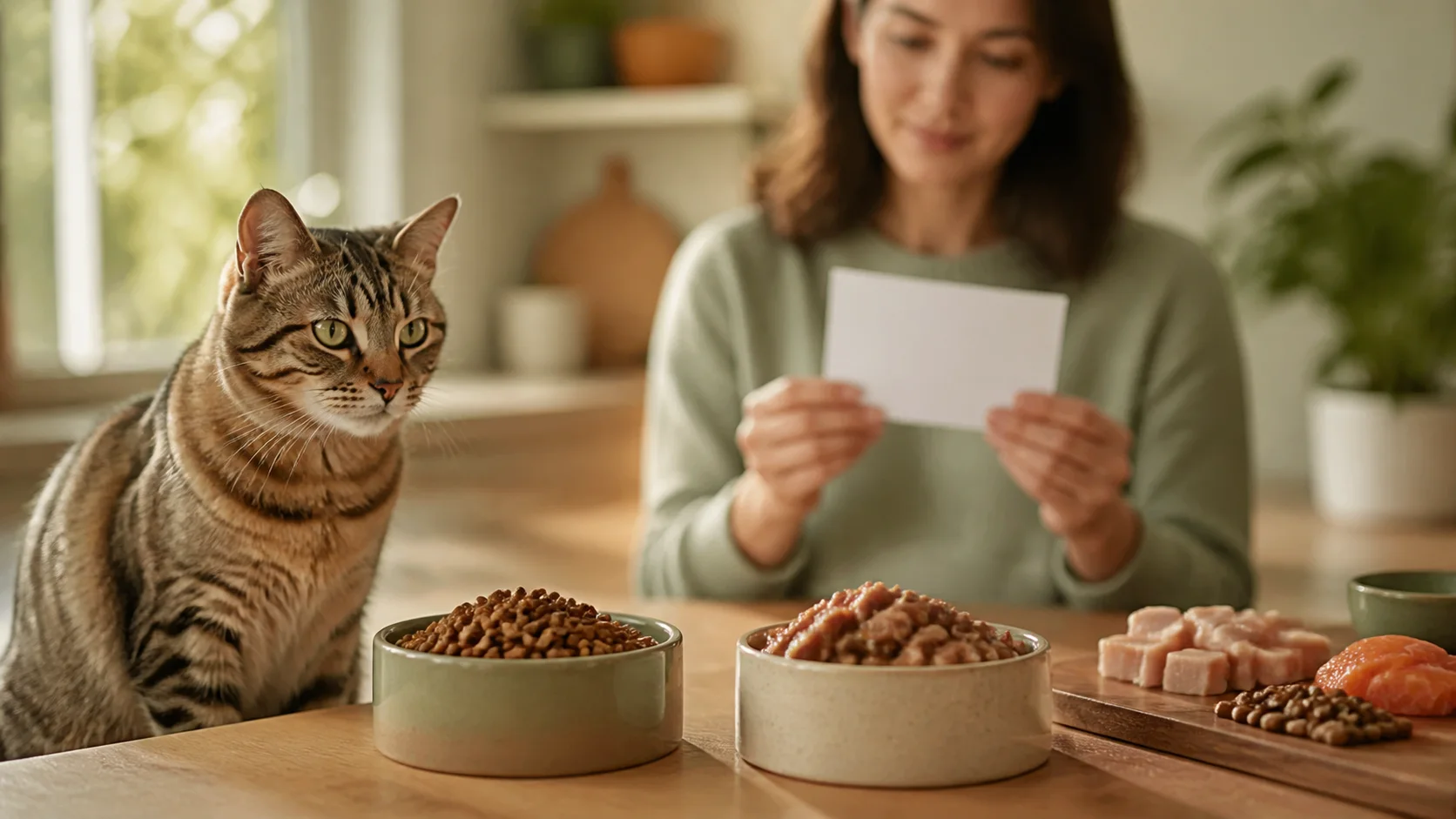
The best cat food is a complete diet that fits the cat’s life stage, health needs, calorie intake, eating habits, and daily routine.
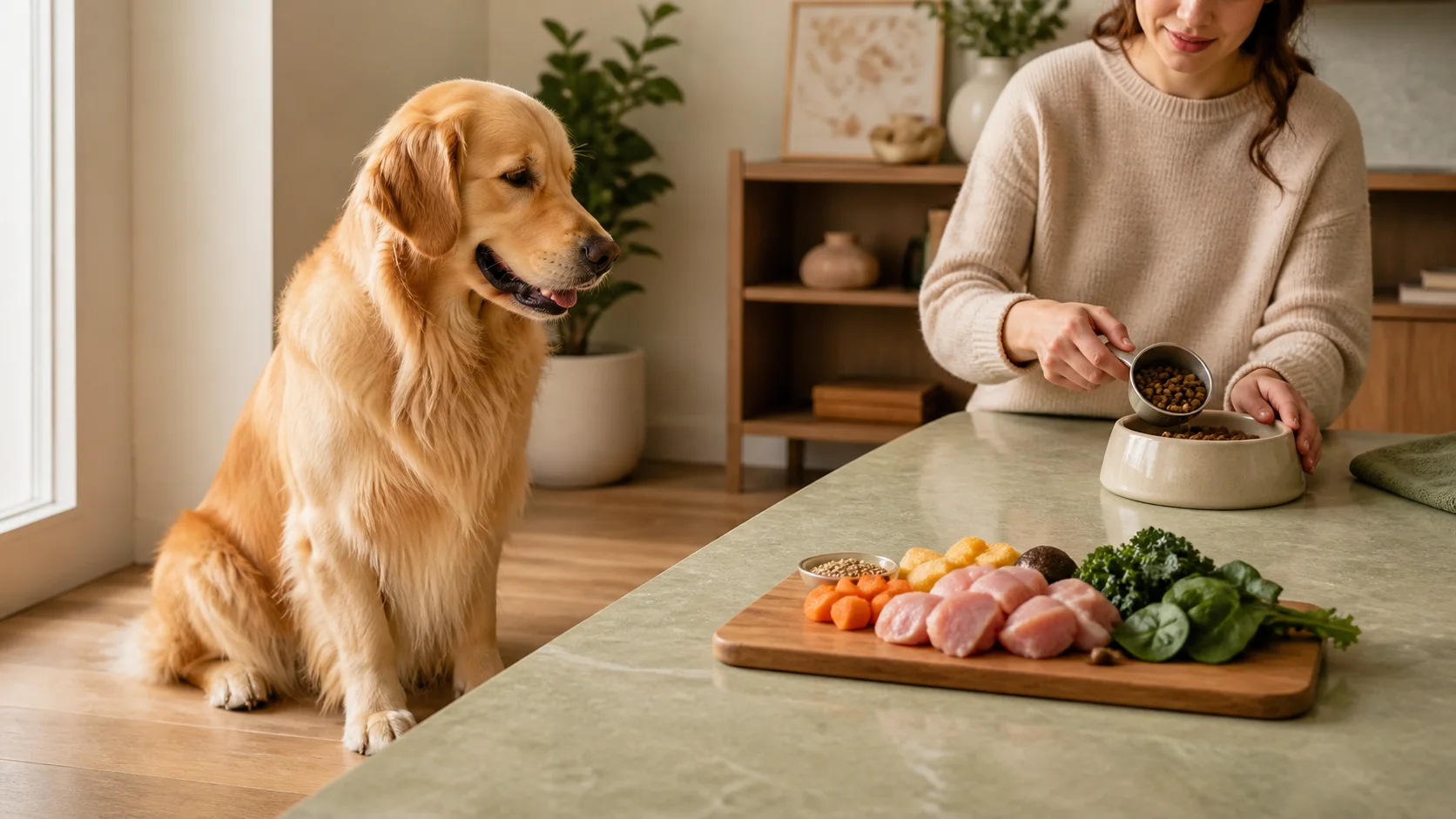
The right dog food is a complete diet that fits the dog’s age, size, activity, health context, calorie needs, and daily feeding routine.
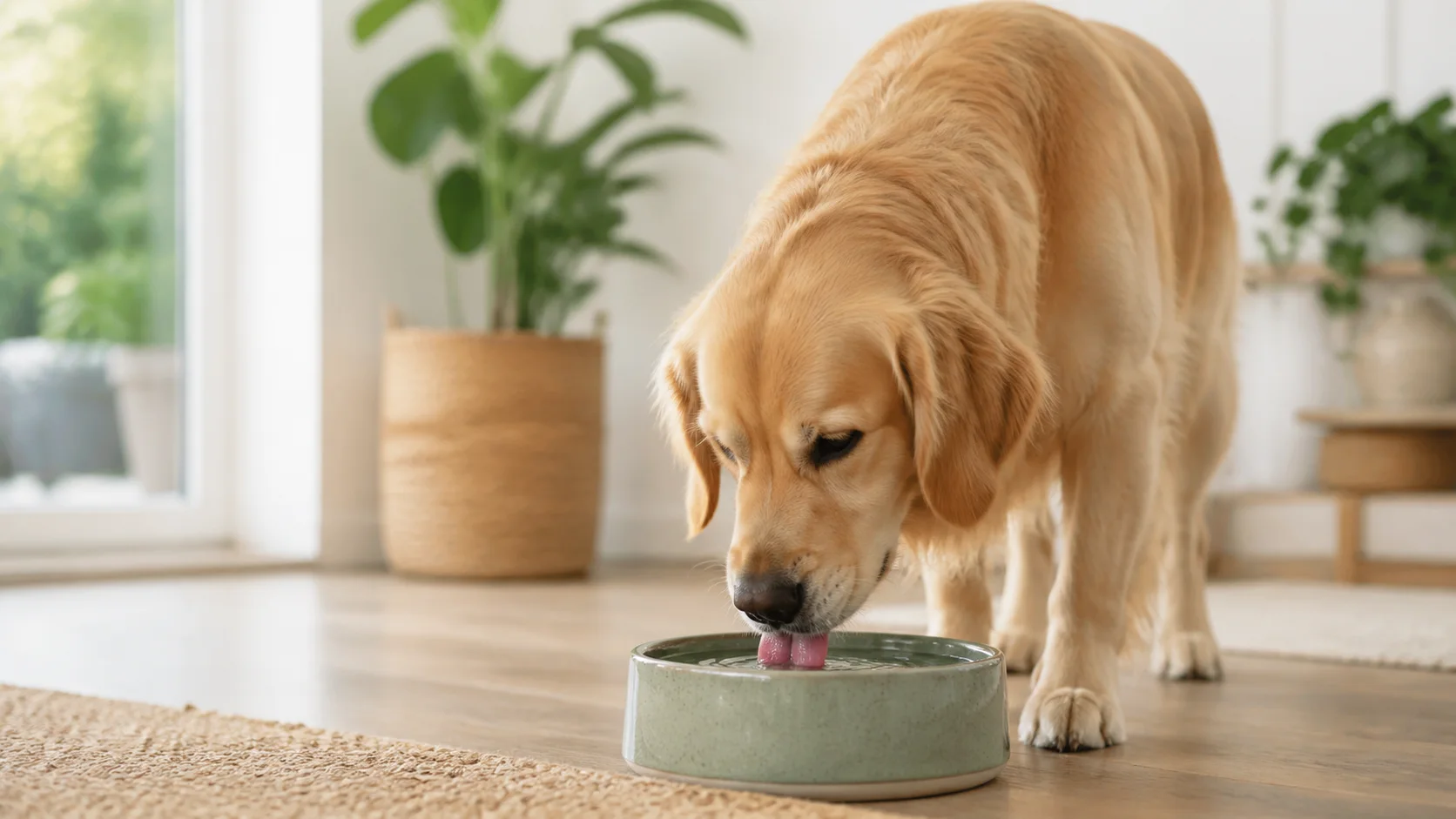
Learn what to record, which everyday factors can affect thirst, and when a noticeable change deserves prompt veterinary attention.
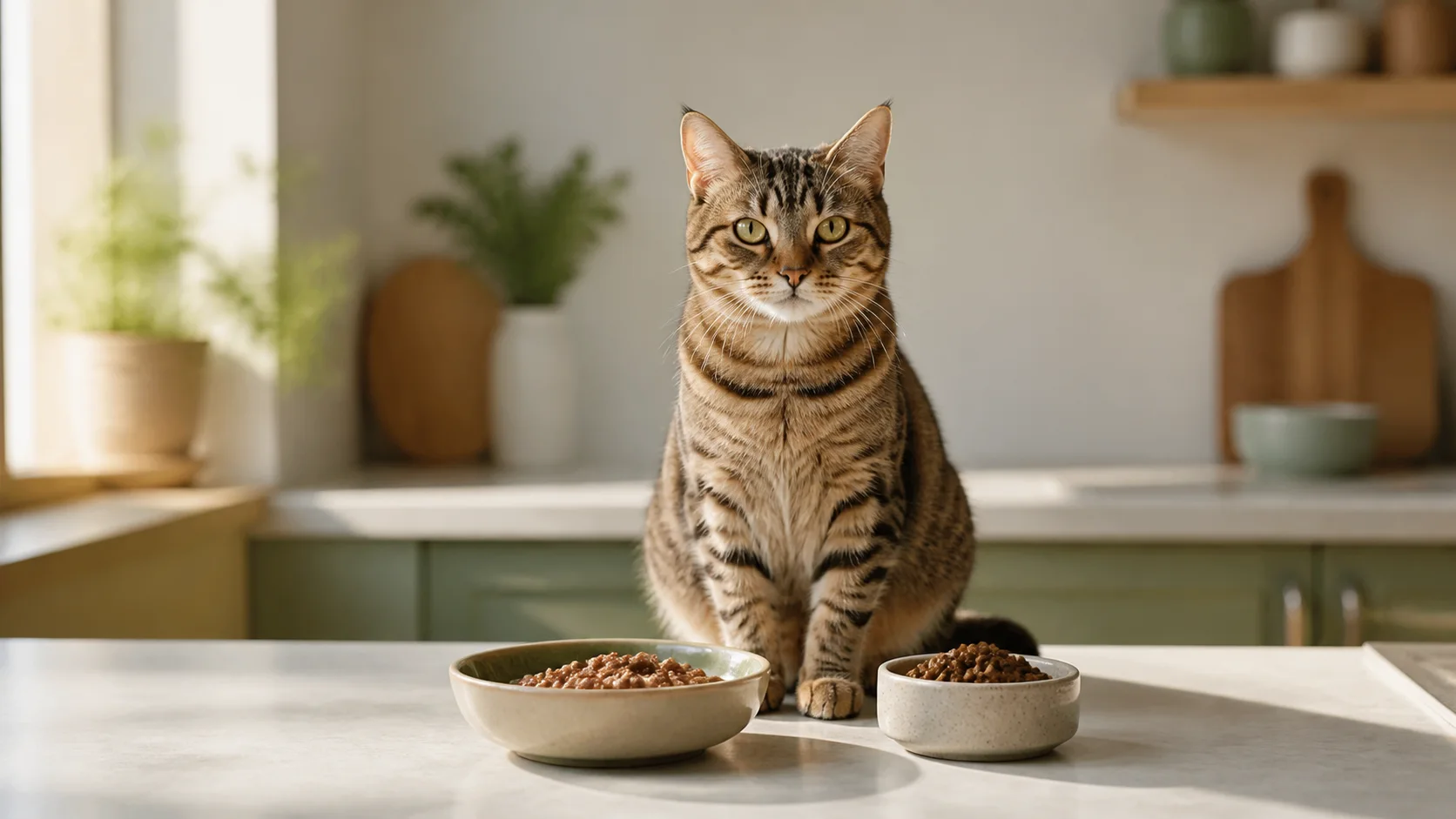
Wet and dry cat food differ in moisture, energy density, texture, storage, and feeding management. Neither format is automatically right for every cat.

Wet and dry dog food differ in water content, energy density, texture, and handling. The better format depends on the dog and the feeding plan.
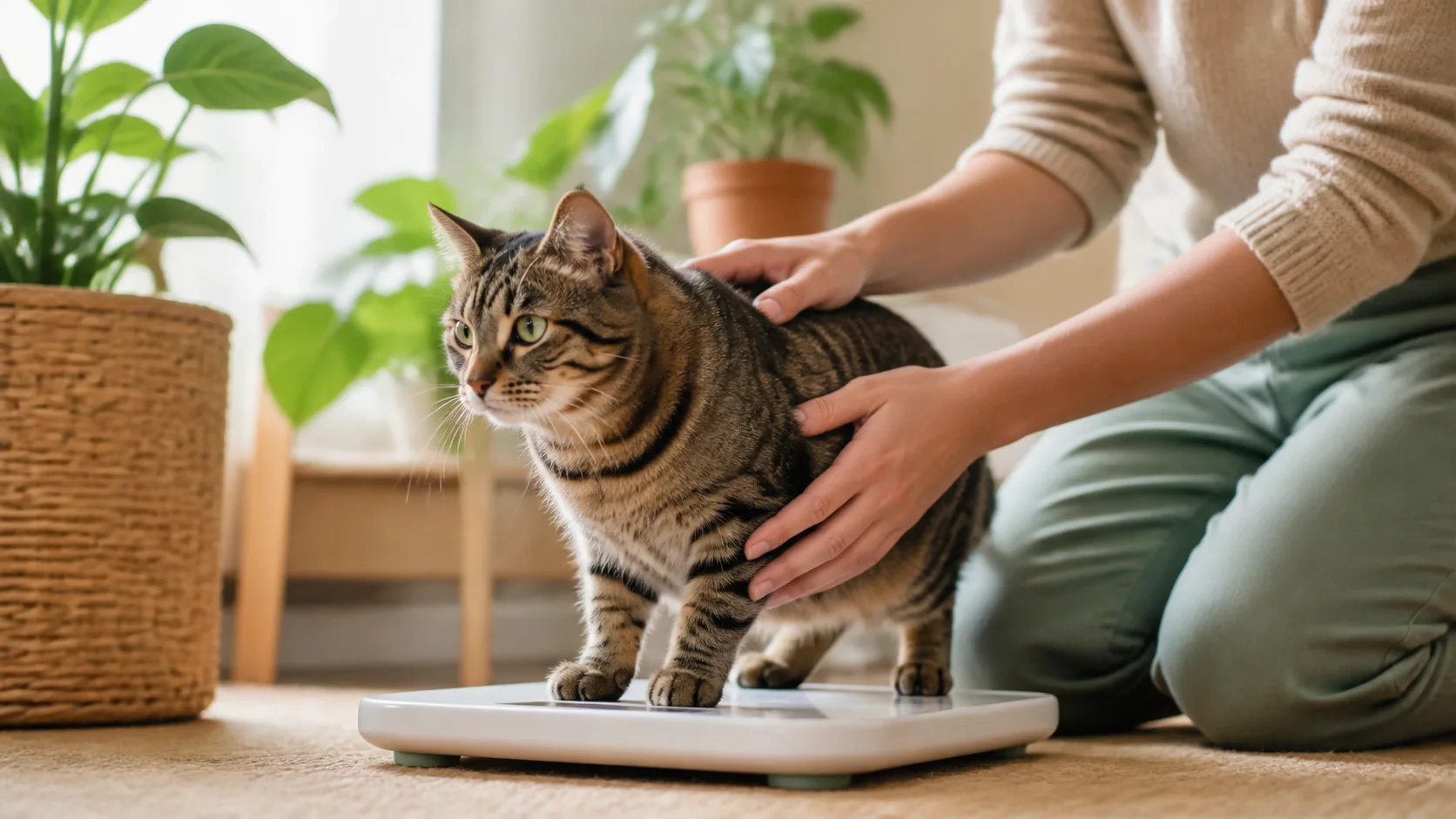
A repeatable weight log can make gradual changes easier to notice before a routine appointment.

Keep the dates, product names, clinic details, and next steps together so the record stays useful when care changes.
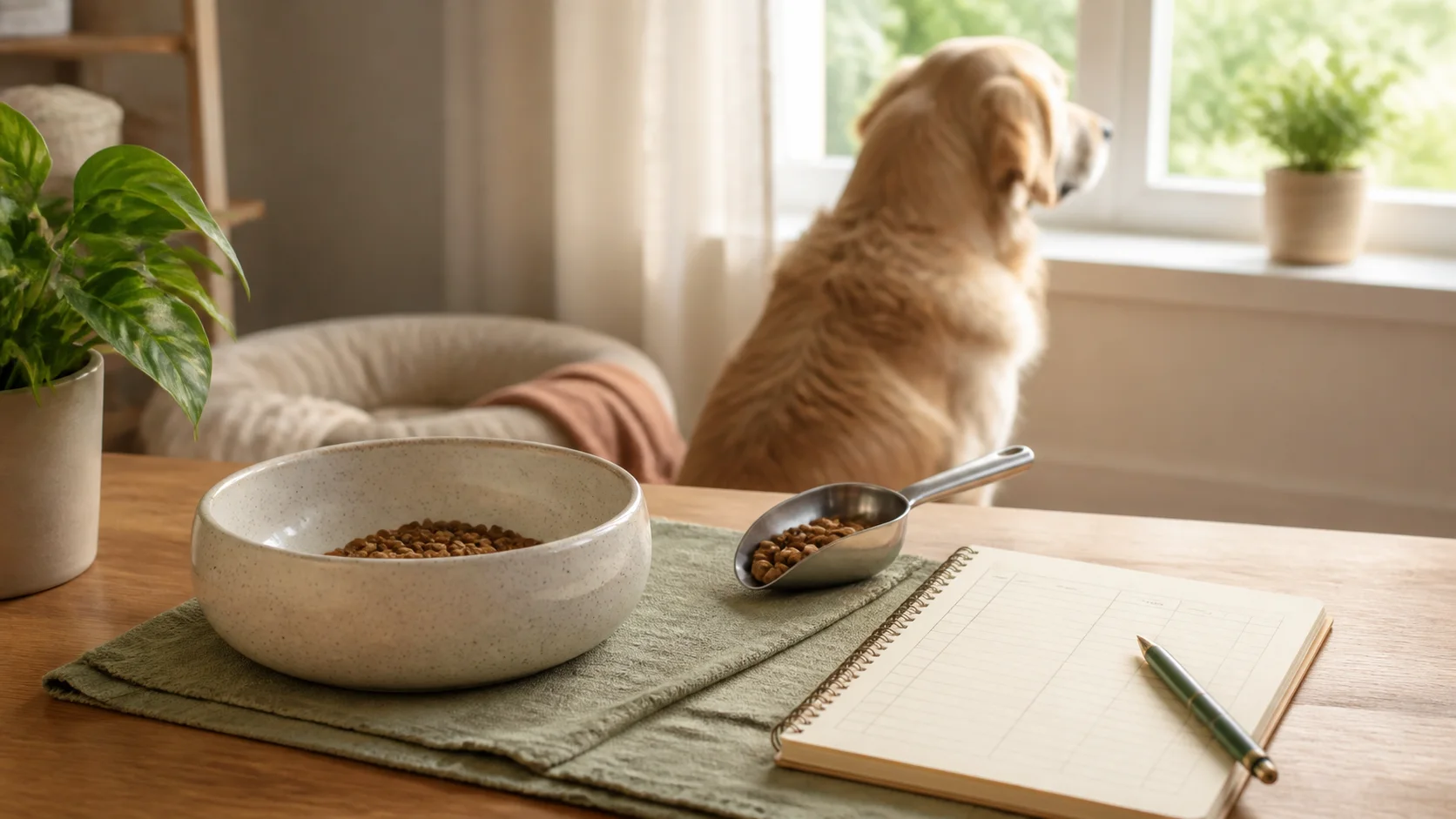
Record the food offered, amount eaten, timing, energy, and other changes instead of relying on memory.
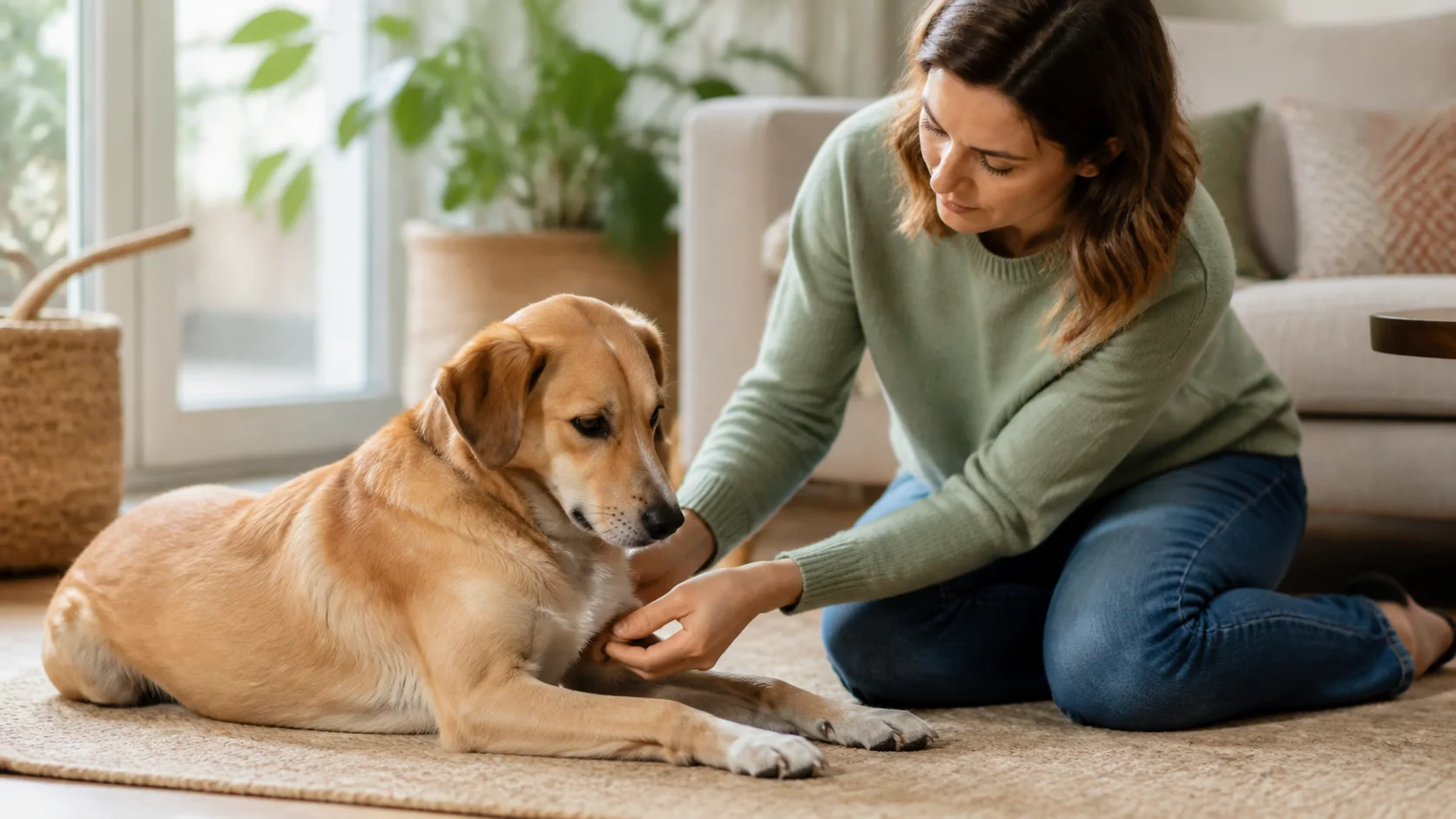
Track when it started, which leg is affected, whether weight is being placed, and whether the change is getting worse.

A clear timeline helps the appointment focus on what changed, what you noticed, and what needs to happen next.