Best AI Pet Tools for Dogs in 2026: Activity, Safety, and Training
Compare AI pet tools for dogs by the problem they solve, from location and home-alone observation to activity trends, feeding records, and training notes.
Quick answer
What this guide covers
Choose dog technology by the decision you need to make. GPS, cameras, activity tracking, and structured logs each create a different kind of evidence.
Key takeaways
- Date and time.
- Device output or training observation.
- What a person saw.
Article content
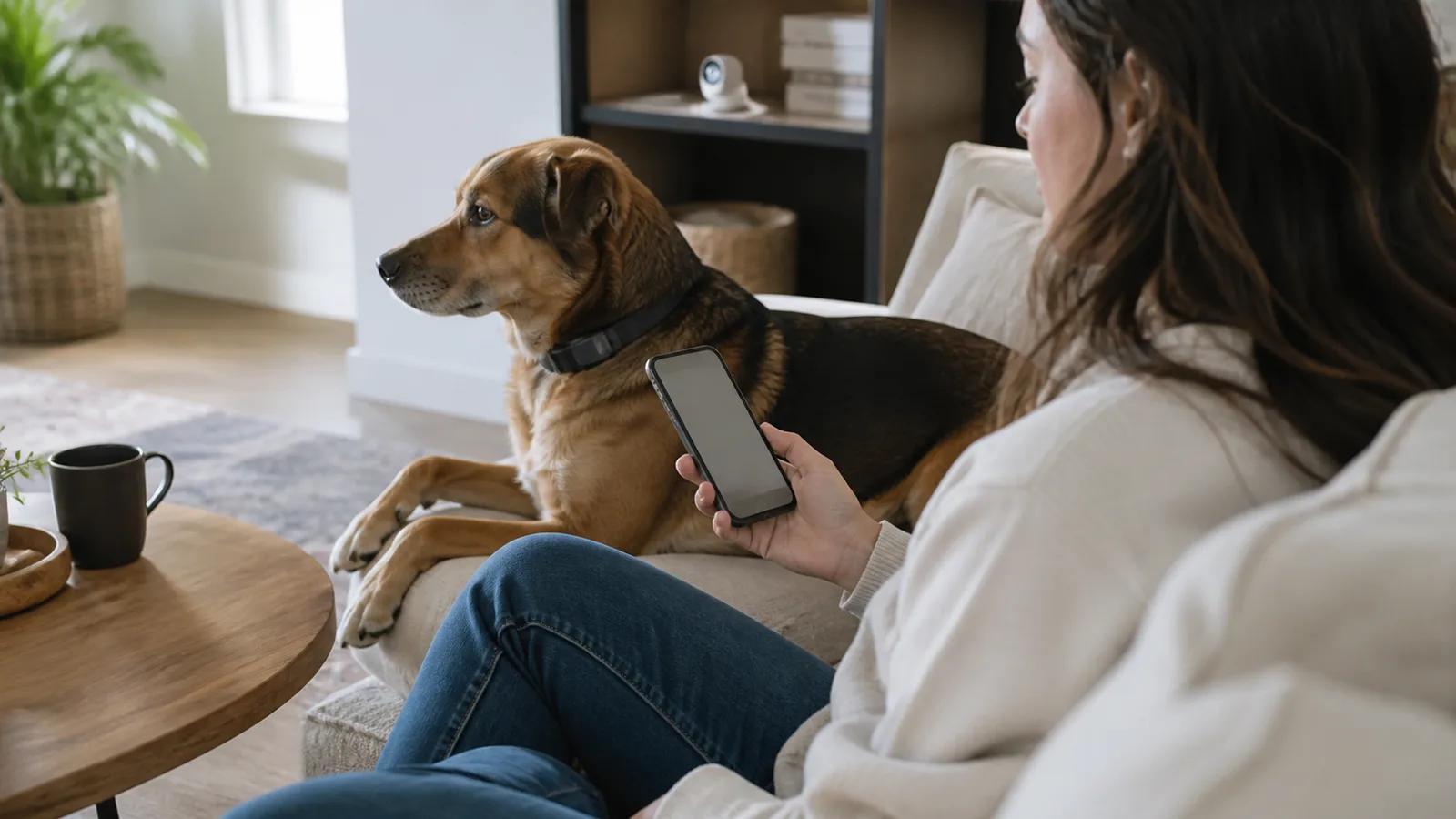
The best AI pet tool for a dog is the one that answers a specific household question. A GPS wearable can support escape recovery, a camera can show what happens after departure, and activity monitoring can help organise a long-term record. A training log may be more useful than any automated score when the goal is to change a routine.
Technology can detect or organise observations. It cannot explain why a dog barked, decide whether a movement change is medical, or replace a veterinarian or qualified trainer. Start with the record you are missing and choose the smallest setup that creates it reliably.
Choose the dog-care problem first
Use one sentence to define the job. “I need to find my dog if he leaves the yard” is a location and recovery problem. “I want to understand barking when the house is empty” is a camera and context problem. “I need to see whether activity has changed over time” is a baseline problem. “I want a calmer walk” is a training and routine problem.
The answer changes the device. A feature-rich tracker is not automatically useful for a dog that never goes outdoors, and a camera cannot answer a question about activity on a walk.
GPS and location tools for safety planning
Tractive describes GPS tracking, virtual fences, escape alerts, and activity or sleep monitoring for dogs. A location device can add speed to recovery when a dog leaves a safe area, but it still depends on battery, GPS, cellular coverage, account access, and a person who responds to the alert.
Check the device’s fit, weight, charging routine, subscription requirements, and coverage where the dog actually travels. Test the virtual boundary and write a recovery plan that does not depend on the tracker alone. Keep the microchip record and contact information current.
Location data also needs context. A dog may leave a boundary because a gate was opened, a walk changed, or the device position was wrong. Treat the alert as a prompt to check, not a complete explanation.
Cameras for barking and home-alone routines
A camera is useful when the question is what happens in a visible part of the home. Petcube and Furbo describe alerts for events such as dogs, people, barking, and movement. Place the camera where departure-related behavior can actually be seen, and review clips rather than relying on an alert category.
Record the time, trigger, what happened before and after, and any outside sound or visitor. A bark may be linked to a delivery, another animal, a person, excitement, or discomfort. The camera cannot decide which explanation is correct. It can help a household and a qualified professional work from a clearer timeline.
Check privacy and household consent before enabling audio or cloud recording. Adjust notifications when false positives are teaching everyone to ignore the device.
Activity and sleep trends
Tractive states that its health features can track activity, sleep, resting heart rate, and resting respiratory rate, with feature availability varying by tracker model and whether the pet is a cat or dog. Its health-alert documentation also says the service is not a medical device and uses a baseline for its alerts.
Use the dog’s own routine as the main comparison. Record whether the tracker was worn, whether it synced, and whether weather, travel, heat, a missed walk, or a changed schedule affected the day. A single number should not become an exercise prescription or a diagnosis.
When the dog looks unwell, respond to the visible condition rather than waiting for a device alert. If a trend is persistent or worrying, share the original chart and context with a veterinarian.
Feeding and weight records
A connected feeder or measured household log can clarify how much food was offered, when it was offered, and who handled it. In a multi-dog home, individual access is important. In a single-dog home, a written record may be enough if one person serves consistent portions.
Keep the established feeding plan and label wording beside the log. Do not use an app trend to change portions, treats, or treatment without professional guidance. A device may record access without showing what was eaten elsewhere, and a scale does not explain the reason for a weight change.
Communication buttons and training data
FluentPet describes connected buttons and systems that log button presses. A button routine can make enrichment more structured, but it should be treated as a taught association rather than proof that a dog has expressed a complex sentence or medical need.
For training, record the cue, environment, distance, distraction, dog response, reward, and what changed on the next attempt. This simple record often gives a trainer more useful information than a generic “success” score. Keep one variable stable when testing a new routine so the result is easier to interpret.
Match the setup to the dog
Puppy
Prioritise a predictable routine, supervision, identification, and a training log. A camera can help with short periods when the puppy is alone, but it cannot replace safe management or direct teaching.
Adult active dog
Location and activity tools may help organise outdoor safety and routine trends. Check battery and coverage before relying on a map or alert during travel.
Senior dog
Ask the veterinary team which changes are useful to record. Consistent notes on movement, rest, appetite, and daily tasks may be easier to share than an app’s summary. Do not interpret a wearable as a clinical monitor unless a professional has explained how it should be used.
Multi-dog household
Choose systems that can distinguish individual dogs, and use separate feeding or observation records when they cannot. A shared camera may show the event but not identify which dog caused it.
A reliable dog-tech routine
For each important event, record:
- Date and time.
- Device output or training observation.
- What a person saw.
- Context such as weather, visitors, travel, or equipment gaps.
- Any action taken.
Review the record once a week for false alerts, missing syncs, and repeated triggers. A reliable system creates a short timeline that another person can understand. It does not require the household to watch every notification in real time.
Frequently asked questions
Can an AI tracker diagnose a dog’s health problem?
No. It may show a trend or alert, but it cannot replace examination and history. Treat a concerning visible change seriously even if the app shows no alert.
Is a smart camera useful for separation problems?
It can document what happens in the camera’s view after departure. It cannot diagnose a behavioral or medical condition. Share the timeline with a qualified professional when the pattern is persistent or disruptive.
Are breed-based activity targets reliable?
They are context, not a universal target. Age, size, health, environment, weather, and the dog’s own baseline affect activity. Avoid turning a comparison into a rigid exercise or feeding rule.
What if the tracker disagrees with my observation?
Check fit, charge, sync, coverage, and the time window. Keep both records and look for repeated patterns. If the dog appears unwell or the change persists, contact a veterinarian.
Sources
Author information

Written by
Daniel Brooks
Canine health education writer
A fictional editorial profile focused on dog food, energy needs, life stages, and weight management.
Areas of focus
- dog nutrition
- energy needs
- life-stage feeding
- weight management
Profile note: Fictional profile. No real license, institution, or professional credential is claimed.

Reviewed by
Julian Reed
Pet health fact-checking editor
Areas of focus
- fact checking
- risk language
- health claims
- editorial review